
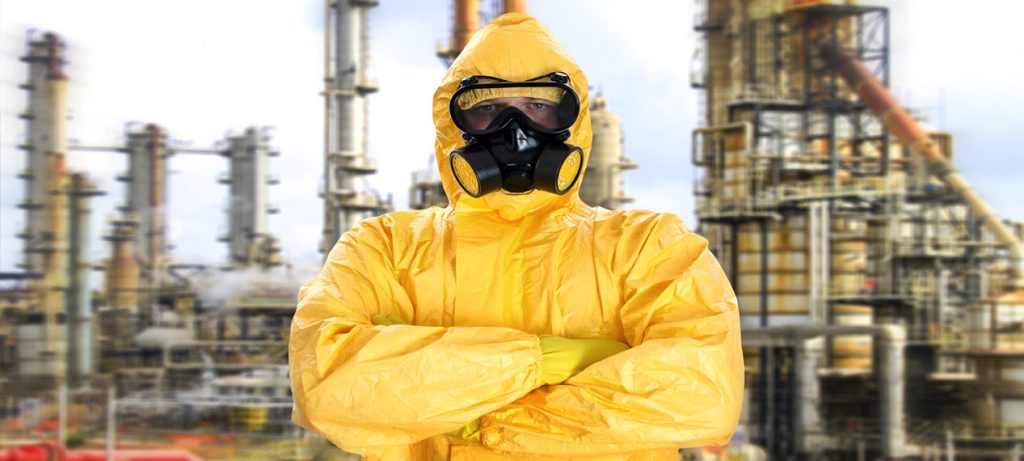
Occupational hygiene testing and industrial hygiene sampling are essential components of workplace health and safety management for employers in Chatham-Kent, Ontario. Many workplace hazards cannot be seen, smelled, or immediately felt, yet they may pose significant long-term or acute health risks to workers. Hygiene consulting provides the technical expertise required to identify these hazards, measure exposures, and implement appropriate control strategies.
As workplaces in Chatham-Kent continue to evolve across industrial, commercial, municipal, and institutional sectors, expectations around due diligence and worker protection continue to increase. Occupational hygiene testing provides objective, defensible data that supports informed decision-making and regulatory compliance. This blog provides a comprehensive overview of occupational hygiene testing, industrial hygiene sampling, and hygiene consulting in Chatham-Kent, explaining what these services involve, when they are needed, and why they are critical for protecting worker health.
What Is Occupational and Industrial Hygiene?
Occupational hygiene, often referred to as industrial hygiene, is the science of anticipating, recognizing, evaluating, and controlling workplace hazards that may affect worker health. These hazards can be chemical, physical, biological, or ergonomic in nature.
Industrial hygiene sampling focuses on measuring worker exposure to hazardous agents, such as airborne contaminants or physical stressors, under actual working conditions. Hygiene consulting goes beyond testing by interpreting results, assessing risk, and recommending control measures tailored to the workplace.
The objective of occupational hygiene is not only regulatory compliance but also the prevention of occupational illness and injury through proactive hazard management.
Why Occupational Hygiene Testing Is Important in Chatham-Kent
Workplaces in Chatham-Kent include manufacturing plants, warehouses, construction sites, municipal operations, commercial buildings, and institutional facilities. Each of these environments may involve processes or materials that create potential exposure risks.
Occupational hygiene testing is important because many hazards cannot be accurately assessed without measurement. Airborne contaminants, excessive noise, heat stress, or chemical vapours may exist at harmful levels even when no obvious signs are present.
By conducting hygiene testing, employers gain clarity on actual exposure conditions rather than relying on assumptions. This information supports effective risk management, helps prioritize controls, and demonstrates a commitment to worker health and safety.
Common Hazards Assessed Through Hygiene Testing
Industrial hygiene sampling addresses a wide range of workplace hazards. Chemical hazards may include dusts, fibres, fumes, vapours, gases, solvents, combustion by-products, and process-related emissions. These exposures may occur during manufacturing, maintenance, cleaning, or construction activities.
Physical hazards commonly evaluated include noise, vibration, heat stress, and cold stress. Prolonged exposure to these stressors can contribute to hearing loss, fatigue, musculoskeletal disorders, and other health impacts.
Biological hazards may also be assessed in certain workplaces, such as bacteria, mould, or bioaerosols associated with water systems, waste handling, or building operations. Hygiene consulting helps determine when biological sampling is appropriate and how results should be interpreted.
Regulatory Context for Occupational Hygiene in Ontario
Employers in Ontario are required under the Occupational Health and Safety Act to take every reasonable precaution to protect workers from workplace hazards. This includes identifying hazards, assessing exposure, and implementing controls where required.
Occupational exposure limits are established for many chemical and physical agents. These limits are typically based on time-weighted average exposures over a standard workday, with additional limits for short-term or peak exposures.
Occupational hygiene testing provides the data needed to evaluate compliance with these limits. Documentation from professional hygiene assessments is often relied upon during inspections, investigations, or when responding to worker concerns.
Occupational Hygiene Risk Assessments
A hygiene risk assessment is often the first step in occupational hygiene consulting. This process involves reviewing workplace operations, materials used, job tasks, and worker activities to identify potential exposure pathways.
The assessment considers factors such as duration and frequency of tasks, variability in processes, and the number of workers potentially affected. Based on this evaluation, a sampling plan is developed to focus on the most relevant hazards and exposure scenarios.
Effective risk assessments ensure that sampling efforts are targeted and meaningful rather than generic or excessive.
Industrial Hygiene Sampling Methods
Industrial hygiene sampling uses a variety of methods depending on the hazard being evaluated. Air sampling may involve personal sampling pumps worn by workers to measure exposure over a work shift, or area sampling to assess conditions near sources.
Direct-reading instruments may be used to screen for certain contaminants or physical hazards, providing real-time data that supports immediate decision-making. In other cases, samples are collected and sent to accredited laboratories for detailed analysis.
Sampling methods must follow recognized standards and quality control procedures to ensure results are accurate, defensible, and representative of actual workplace conditions.
Noise and Physical Hazard Assessments
Noise exposure is one of the most common hazards assessed through occupational hygiene testing. Industrial hygiene sampling may include personal noise dosimetry or area noise surveys to determine whether exposures exceed regulatory limits.
Heat stress assessments evaluate environmental conditions, workload, and work-rest cycles to determine the risk of heat-related illness. Cold stress assessments may be required for outdoor work or refrigerated environments.
These assessments provide employers with clear guidance on whether controls such as engineering changes, administrative measures, or personal protective equipment are required.
Interpreting Hygiene Sampling Results
Interpreting industrial hygiene results requires professional judgment and an understanding of occupational health principles. Results are compared to applicable exposure limits, but context is critical.
Variability in tasks, intermittent exposures, and individual worker movement must be considered when evaluating data. Exposures close to regulatory limits may warrant proactive controls even if limits are not exceeded.
Hygiene consulting ensures that results are clearly explained, limitations are identified, and recommendations are practical and defensible.
Control Measures and the Hierarchy of Controls
When occupational hygiene testing identifies elevated exposures, control measures are recommended using the hierarchy of controls. Engineering controls are preferred because they reduce or eliminate hazards at the source. Examples include ventilation improvements, equipment enclosure, or process modification.
Administrative controls may include changes to work practices, scheduling, training, or job rotation to reduce exposure duration. Personal protective equipment is typically used when other controls are not feasible or as an interim measure.
Hygiene consultants provide recommendations that balance effectiveness, feasibility, and operational considerations specific to the workplace.
Documentation and Due Diligence
One of the key benefits of occupational hygiene consulting is the documentation it provides. Professional reports outline assessment methods, sampling results, interpretations, and recommended actions in a clear and structured format.
This documentation demonstrates due diligence and can be critical during regulatory inspections, worker compensation claims, or legal proceedings. It also provides a baseline for future assessments, allowing employers to track changes in exposure over time.
Clear documentation supports transparency and helps communicate risks and controls to workers and management.
When Occupational Hygiene Testing Is Required
Occupational hygiene testing may be required or recommended in several situations. Common triggers include worker complaints about odours, dust, noise, or health symptoms, as well as the introduction of new equipment, materials, or processes.
Testing is also often conducted following incidents, during facility expansions or renovations, or as part of routine health and safety program reviews. Proactive testing can identify potential issues before they result in illness or regulatory concerns.
Early engagement with hygiene consultants allows employers to address risks efficiently and cost-effectively.
Hygiene Consulting Across Industries in Chatham-Kent
Hygiene consulting services are applicable across a wide range of industries in Chatham-Kent. Manufacturing and industrial facilities often require assessments for dusts, fumes, and noise. Construction and maintenance activities may involve short-term but intense exposures that require careful evaluation.
Municipal operations may involve exposure to physical hazards, water systems, or equipment-related risks. Commercial and institutional facilities may require hygiene assessments related to indoor air quality, cleaning agents, or building operations.
Each industry presents unique challenges, and effective hygiene consulting adapts methodologies and recommendations accordingly.
The Value of Local Occupational Hygiene Expertise
Working with an occupational hygiene consultant familiar with Chatham-Kent provides practical advantages. Local consultants understand the types of workplaces, infrastructure, and industries present in the area.
They are also familiar with regional regulatory expectations and common issues encountered during inspections or investigations. This local knowledge supports relevant assessments and actionable recommendations tailored to real-world conditions.
Occupational Hygiene Services in Chatham-Kent, Ontario
Occupational hygiene testing, industrial hygiene sampling, and hygiene consulting play a vital role in protecting worker health in Chatham-Kent. These services provide the data and expertise needed to identify hazards, assess risk, and implement effective controls.
Employers who invest in occupational hygiene demonstrate a commitment to safety, compliance, and long-term worker well-being. Accurate exposure data supports informed decision-making and helps prevent occupational illness and injury.
Conclusion
Occupational hygiene testing and industrial hygiene consulting are essential components of effective workplace health and safety programs in Chatham-Kent, Ontario. By systematically identifying and evaluating chemical, physical, and biological hazards, employers can meet regulatory obligations and protect their workforce.
Professional hygiene sampling provides defensible data, clear interpretation, and practical recommendations. As expectations for worker protection continue to rise, occupational hygiene consulting remains a critical resource for organizations operating in Chatham-Kent.
Contact IES today to see how we can provide peace of mind at your Chatham-Kent location.